
Complete Guide to Formentera 2026: What to See, What to Do and How to Get Around the Island
Formentera is one of those islands that you don’t simply visit — you experience it. White sand that doesn’t stick, water so clear it seems unreal, and a slower pace of life that makes you put your phone away. If you're planning to visit this summer — or wondering when to go — this guide covers everything you need to know: beaches, villages, gastronomy, climate and, most importantly, how to get around without missing a thing.
Because here’s the mistake almost everyone makes: arriving in La Savina without a transport plan and wasting half a day trying to figure it out. The island may be small — just 83 km² — but it has 69 km of coastline, lighthouses at opposite ends and hidden coves that don’t appear on tourist maps. To truly discover it, you need freedom of movement.
Guide to Formentera 2026
Where is Formentera and how do you get there?
Formentera is the smallest inhabited island in the Balearic Islands. Located south of Ibiza and separated by only 3.6 km of sea — the Es Freus channel — it has no airport. Far from being a disadvantage, this is one of the reasons it has been protected from mass tourism.
The usual route to get there is:
- Fly to Ibiza from most Spanish and European airports during the summer season.
- Take a taxi or bus (line 10E) to Ibiza Port — around 10–15 minutes.
- Take a ferry to La Savina — approximately 30 minutes.
Once you arrive in La Savina, you’ll be at the island’s only port. From there, everything depends on how you choose to travel around.
How to get around Formentera without wasting time
The island has a basic bus network and many visitors choose to explore by bicycle. However, if you want to reach the lighthouses, discover the southern coast of Migjorn or travel comfortably with luggage and without fixed schedules, the most practical option is to rent a car in Formentera.
With your own vehicle you can:
- Reach Ses Illetes early before it gets crowded.
- Cross the island from north to south in less than 20 minutes.
- Stop at any cove without depending on bus timetables.
- Visit Cap de Barbaria Lighthouse at sunset without worrying about transport connections.
At Rent a Car San Fernando, rent a car in Formentera, you will find a fleet adapted to every type of trip, with direct vehicle collection at La Savina Port so you don't waste a minute after stepping off the ferry.
Formentera's beaches: which ones to visit and when
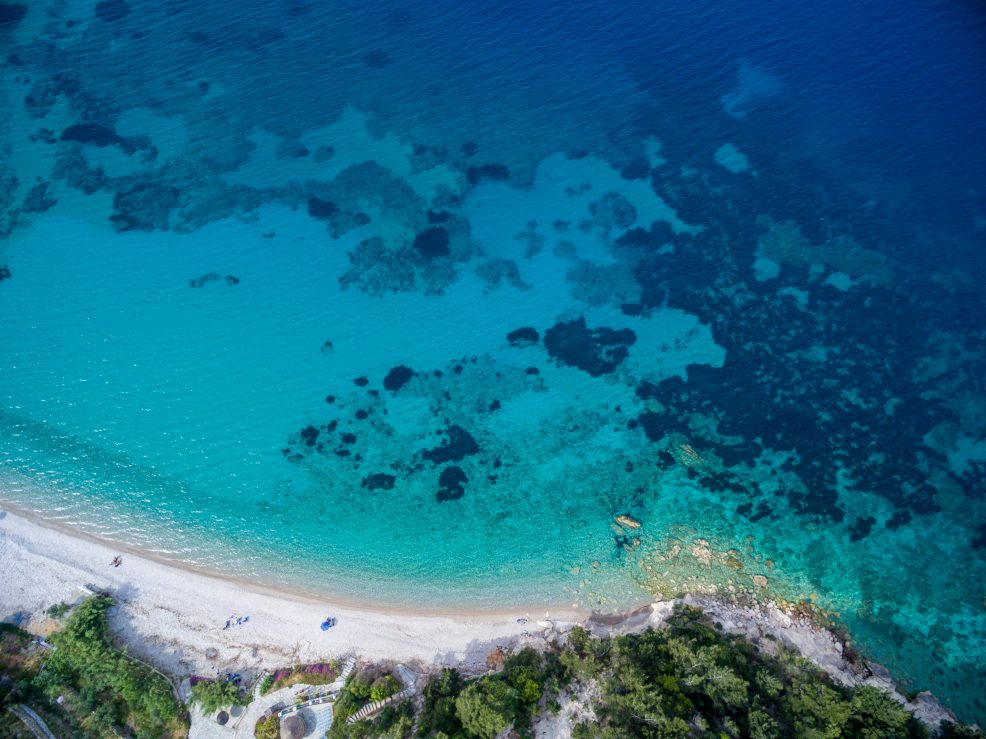
The quality of Formentera’s beaches is not a matter of opinion. Several of them regularly appear in rankings of Europe’s best beaches. The secret lies in Posidonia Oceanica, a marine plant that filters the water and creates its unique turquoise and emerald-green colours.
Ses Illetes — the most famous beach, and for good reason
Located at the northern tip of the island within Ses Salines Natural Park, this stretch of white sand is surrounded by crystal-clear water on both sides. It is the most photographed beach in Formentera and also the busiest after 11:00 am. Tip: arrive before 9:30 am or after 6:00 pm.
Llevant Beach — the wild alternative
Situated on the opposite side of the same peninsula, Llevant Beach is exposed to easterly winds and usually has fewer visitors. If you prefer open spaces and a more natural setting, this is the perfect choice.
Cala Saona — the best sunset on the island
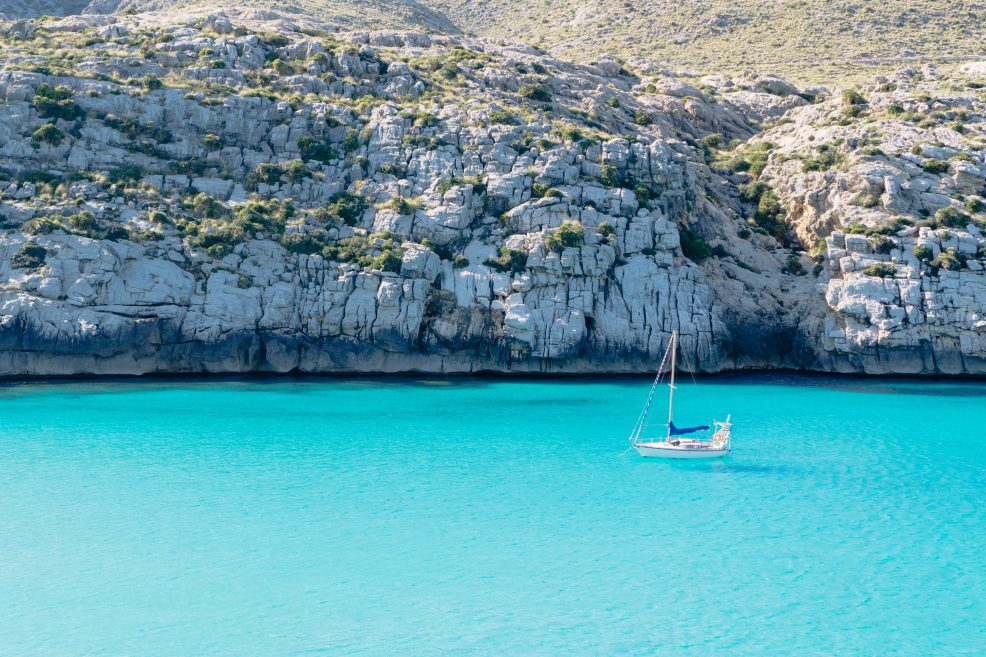
A crescent-shaped bay protected by reddish cliffs. Its west-facing orientation makes it one of the best places in Formentera to watch the sun disappear into the Mediterranean Sea.
Migjorn Beach — more than 6 km of southern coastline
Stretching across the entire southern coast, Migjorn combines white sandy beaches, low cliffs and peaceful coves such as Caló des Mort. It is the favourite area for visitors looking for tranquillity and close contact with nature.
Es Pujols Beach — ideal for families
The only beach located next to a town centre. It offers restaurants, beach bars, sunbed rentals and all essential services just steps from the promenade, making it a great option for families.
Ses Platgetes (Es Caló) — the snorkelling spot
Three small sandy coves separated by rocky areas, featuring traditional wooden boat shelters and crystal-clear waters. A must-visit destination for snorkelling enthusiasts.
The villages of Formentera: where to stay and what to find
Es Pujols — the tourist centre
The only village directly facing the sea. It offers the largest concentration of restaurants, bars, shops and nightlife. Its evening craft market along the promenade is one of the island's most popular attractions.
Sant Francesc Xavier — the heart of the island
The administrative capital of Formentera. Its central square, dominated by an 18th-century fortified church, is one of the island’s most picturesque locations. Here you’ll find designer boutiques, charming cafés and a sophisticated atmosphere.
Sant Ferran de ses Roques — the bohemian village
In the 1970s it was the centre of the island’s hippie movement. The famous Fonda Pepe remains open as a symbol of that era. Today it continues to be a cultural meeting point with art markets and an alternative atmosphere.
La Savina — the gateway to Formentera
More than just a village, La Savina is where every visit begins and ends. Walking among the yachts, browsing local markets or enjoying a drink by the sea is the perfect introduction to the island.
El Pilar de la Mola — the most secluded village
Located on the eastern plateau and surrounded by pine forests, it is famous for its hippie market, held every Wednesday and Sunday from May to October, as well as its spectacular lighthouse views.
Es Caló de Sant Agustí — the fishermen's village
A small gem built into the rocky coastline. Its traditional wooden boat shelters, known as escars, have been declared a Cultural Heritage Site. It is one of the best places on the island to enjoy fresh fish overlooking the cliffs of La Mola.
The lighthouses: the island’s most spectacular viewpoints
La Mola Lighthouse
The highest lighthouse on the island, standing 192 metres above sea level. It overlooks dramatic cliffs that plunge directly into the Mediterranean. Sunrise from here is one of the most impressive experiences in the Balearic Islands.
Cap de Barbaria Lighthouse
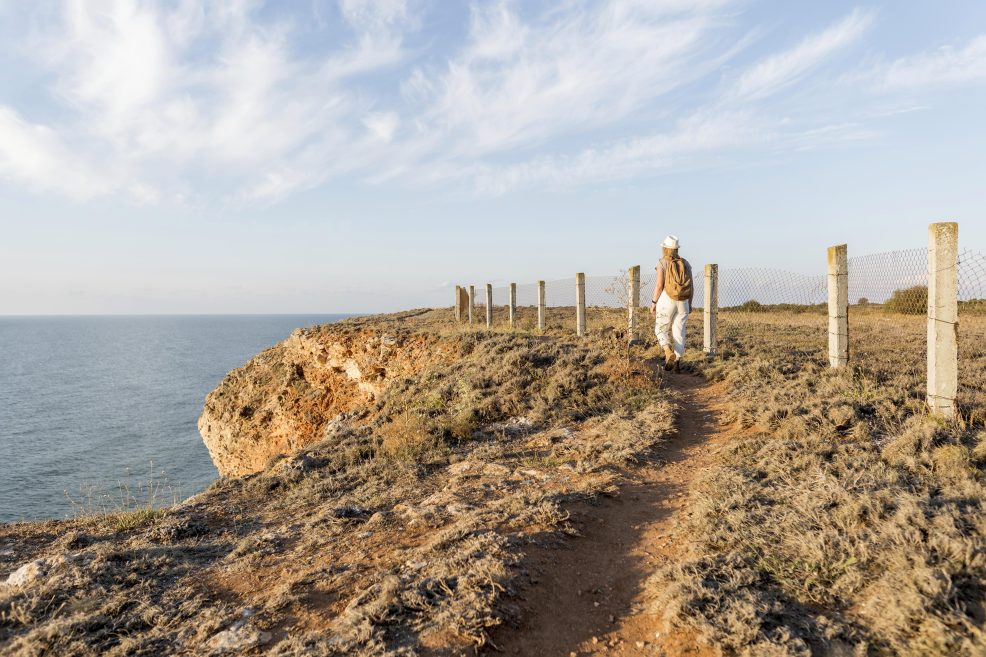
Located at the southwestern tip of Formentera, at the end of a straight road crossing a lunar-like landscape. Vehicle access is restricted, requiring visitors to park and walk approximately 2 km. Nearby you'll find the hidden Cova Foradada cave.
La Savina Lighthouse
Less imposing than the other two, but it is the first lighthouse you'll see upon arrival and the last one before leaving the island.
What to eat in Formentera: local gastronomy
Formentera's cuisine is simple, traditional and full of flavour, built on fresh local ingredients and generations of culinary heritage.
Dishes you must try
- Ensalada Payesa — the island's signature salad made with potatoes, vegetables and dried fish.
- Frita de Pulpo — fried octopus with potatoes, peppers, onion and garlic.
- Calamars a la Bruta — squid cooked in its own ink with onion and sobrassada.
- Flaó — a traditional cheesecake flavoured with mint.
- Hierbas Ibicencas — the traditional herbal liqueur of Ibiza and Formentera.
Formentera itineraries based on your stay
Formentera in 1 day from Ibiza
If you only have a few hours, collect your rental car as soon as you arrive, spend the morning at Ses Illetes, enjoy lunch in Es Pujols and visit Cap de Barbaria Lighthouse before returning to the port.
Formentera in 3 days
- Day 1: Ses Illetes, Llevant Beach and Sant Francesc Xavier.
- Day 2: Migjorn Beach, a beachfront restaurant and Sant Ferran.
- Day 3: La Mola Lighthouse, hippie market, Es Caló and sunset at Cala Saona.
Discover our scooter rental in Formentera and move around the island with total freedom.
Formentera in 7 days
A full week allows you to discover quieter beaches, explore Ses Salines Natural Park, visit Espalmador by catamaran and enjoy a different restaurant every evening.
Protected nature: Ses Salines and the lagoons
Ses Salines Natural Park is the island’s most important protected area. Since becoming a nature reserve in 1995, the salt flats have evolved into a sanctuary for biodiversity. During summer, the ponds take on shades ranging from pale pink to violet.
Estany Pudent (3.5 km²) and Estany des Peix are two northern lagoons where flamingos and migratory birds can often be spotted. The Formentera wall lizard (Podarcis pityusensis), famous for its emerald-green and blue tones, can be seen almost everywhere on the island.