


How to Get to Cala Saona in Formentera: All the Options Step by Step
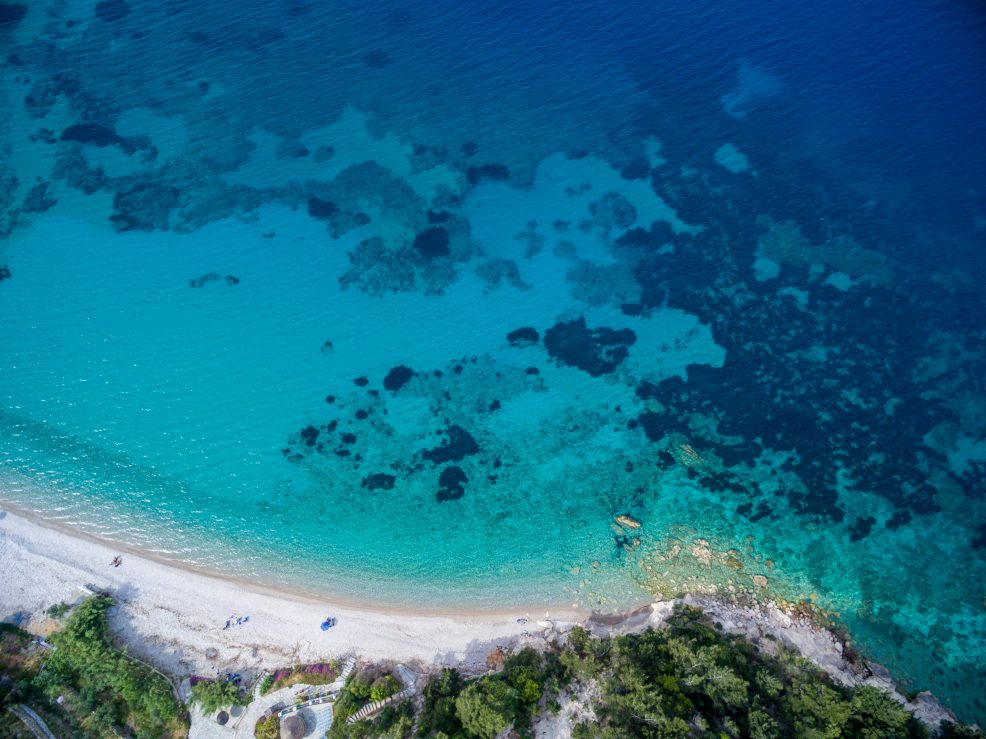
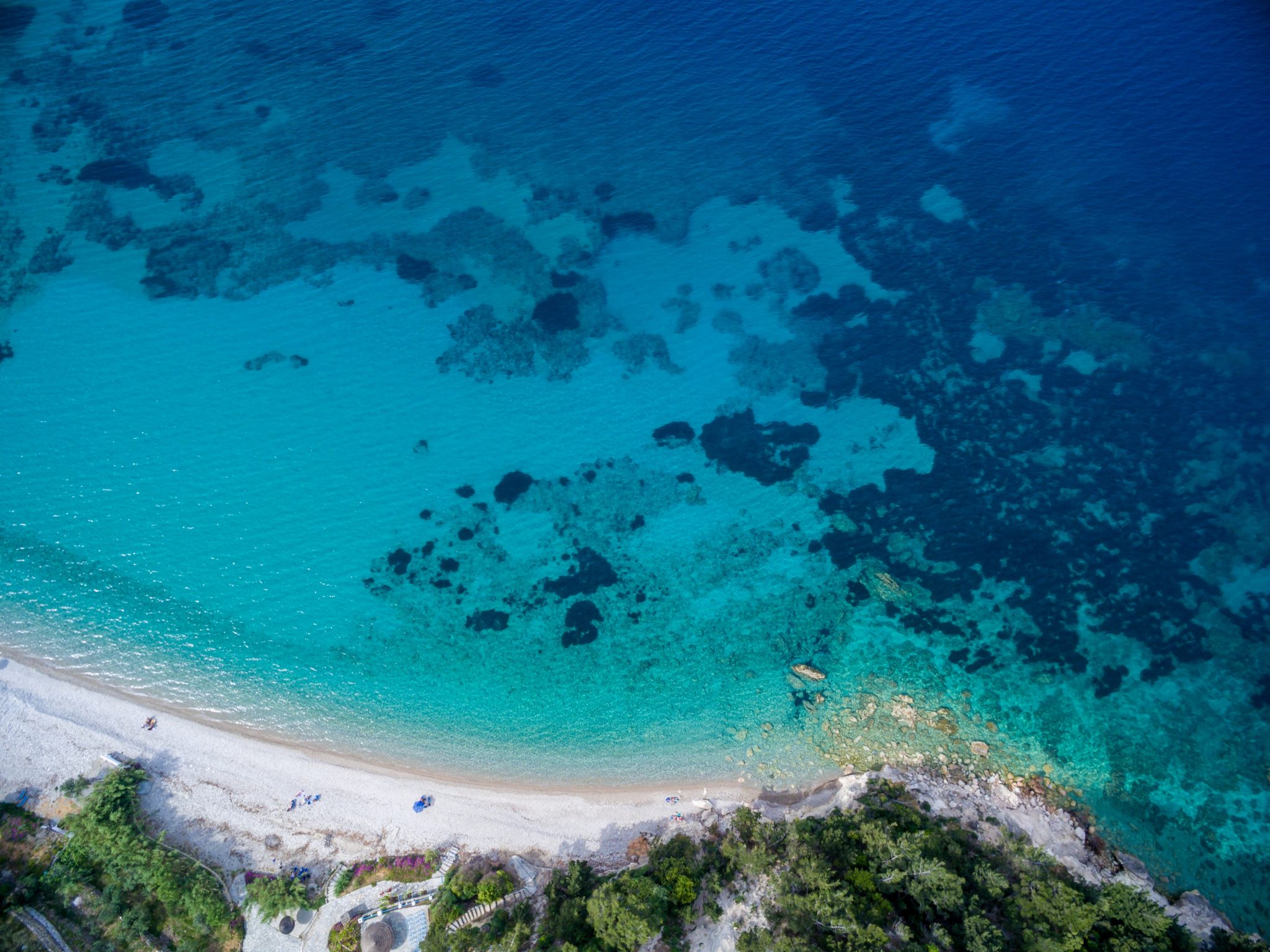
Cala Saona is the only large sandy cove on the western coast of Formentera. Its reddish sandstone cliffs, turquoise water and sunsets with views of Ibiza have made it one of the most sought-after beaches in the Balearic Islands. And the good news is that getting there is much easier than it seems.
In this guide, you will find all the ways to get to Cala Saona in Formentera, with clear instructions for each means of transport, parking information and practical tips that make a difference in high season.
Guide to Getting to Cala Saona Beach
Where Is Cala Saona in Formentera: Location and Map
Cala Saona Beach in Formentera is located on the west coast of the island, set between the cliffs of Punta Rasa to the south and Caló d'en Trull to the north. It is about 5 kilometres from Sant Francesc Xavier, the capital of Formentera, and about 8.5 kilometres from the port of La Savina.
The cove is approximately 140 metres long and forms a semicircular bay that naturally protects it from the wind. This, together with its sandy seabed and gentle slope into the water, makes it one of the calmest and most family-friendly beaches on the island.
To reach the car park, enter the following in your GPS or Google Maps: "Parking Cala Saona Formentera". The visual reference point is Hotel Cala Saona, located right next to the beach.
How to Get to Cala Saona by Car or Scooter
This is the most common option for travellers staying on the island who have rented a vehicle. If you have not yet booked transport, scooter rental in Formentera is the most popular alternative: scooters are easy to park, ideal for the island’s climate and perfect for covering the 5 kilometres that separate Cala Saona from Sant Francesc.
From Sant Francesc Xavier, the Capital
- Leave Sant Francesc on the PM-820 road towards Sa Mola.
- At the first roundabout, continue straight ahead.
- At the second roundabout, take the first exit on the right onto the PMV-820-1 road, towards Cap de Barbaria.
- After about 2 kilometres, you will see a sign for Cala Saona on the right. Take that turn-off.
- Continue for 2.7 kilometres until you reach Hotel Cala Saona and the car park.
From the Port of La Savina
The route is about 8.5 kilometres long. Follow the main road towards Sant Francesc Xavier and then follow the directions above. The route passes through pine trees and dry-stone walls, with plenty of local charm.
From Es Pujols
First head towards Sant Francesc along the main road, then continue from there. The total journey from Es Pujols is about 7 kilometres.
Parking in Cala Saona: Free, but with a Trick
When you arrive at Hotel Cala Saona, you will find a free dirt car park with space for around 200 vehicles. In low and mid season, you should have no trouble parking. In July and August, the situation changes.
In peak summer, the car park is often full before 10:30 in the morning. If you arrive late, you have two alternatives:
- Punta Rasa road: 1.5 kilometres from the main turn-off, there is a dirt road marked by a painted stone that says "Punta Rasa". It leads to an open area above the cliffs where you can also park. From there, you go down some steps and arrive directly at the area of the llaüts.
- Next to Restaurante Sol Post: if everything else is full, you can continue along the road and look for a place among the houses and near the restaurant, also above the cliffs. The views from here are spectacular.
Practical tip: in July and August, arrive before 9:00 or take the bus. The free car park fills up quickly and it is not worth stressing over it.
How to Get to Cala Saona by Bus: Line L5
If you prefer not to drive, or if you want to enjoy the sunset with a drink in hand without worrying about parking, the L5 bus operated by Autocares Paya is your best option.
L5 bus route:
Port of La Savina → Sant Francesc → Sant Ferran → Es Pujols → Cala Saona Junction → Cala Saona
What you need to know:
- The L5 line only operates during the summer season, roughly from June to October. Outside this period, there is no bus service to the beach.
- There are several daily departures in both directions.
- To check exact and updated timetables, visit the official website busformentera.com, as schedules change every season.
- If you are staying in Es Pujols, you can combine the L5 with line L1 or L7.
Many visitors use this bus specifically for sunset: they arrive in the late afternoon, enjoy the sunset from the Bocaboca beach bar or from the sand, and return without the pressure of parking.
Getting to Cala Saona by Bike
Formentera has a well-signposted network of cycle routes connecting the island’s main points. From La Savina or Sant Francesc, you can cycle to Cala Saona along dirt tracks and rural roads that cross one of the quietest parts of the island.
The route from La Savina is about 8.5 kilometres, fairly flat and suitable for almost any level. From Sant Francesc, the distance drops to about 5 kilometres.
It is one of the best ways to discover inland Formentera: pine trees, centuries-old fig trees, dry-stone walls and the silence of the countryside. If you rent a bike as soon as you get off the ferry, you can reach the beach in less than an hour.
Getting to Cala Saona from Ibiza: The Complete Route
If you are travelling from Ibiza, the first step is to take the ferry to Formentera. The boat trip between Ibiza port and La Savina takes between 25 and 35 minutes, depending on the ferry company. Several companies, such as Trasmapi, Aquabus and Baleària, offer frequent departures during the summer months.
Once you arrive in La Savina, you have three options to get to Cala Saona:
- Rent a vehicle directly at the port, where there are scooter, car and bike rental agencies just outside the ferry terminal, and follow the driving route described above.
- Take the L5 bus from the port, which takes you to the cove during the summer season.
- Go by bike, if the heat and your motivation allow it.
The most comfortable option for anyone arriving with family or beach gear is car rental in Formentera directly at the port of La Savina: you get off the ferry, pick up the vehicle and in 15-20 minutes you are parking at Cala Saona.
What to See and Do in Cala Saona: Why the Trip Is Worth It
Once you are there, the beach speaks for itself. But there are a few details that can turn a normal visit into something memorable:
- The escars: traditional wooden boat sheds where fishermen keep their llaüts. They are declared a Site of Cultural Interest and are one of the most photogenic corners of the cove.
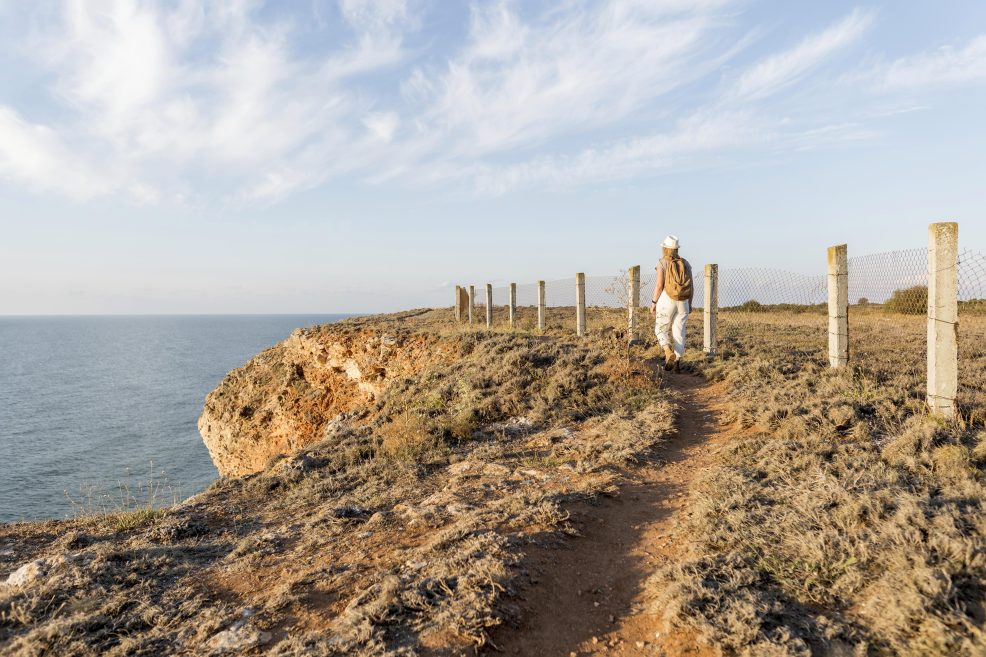
- The trail to Punta Rasa: from the southern side of the beach, a path climbs up the cliff to Punta Rasa. In about 20 minutes, you reach vertical walls almost 20 metres above the sea, with impressive views. Wear closed shoes.
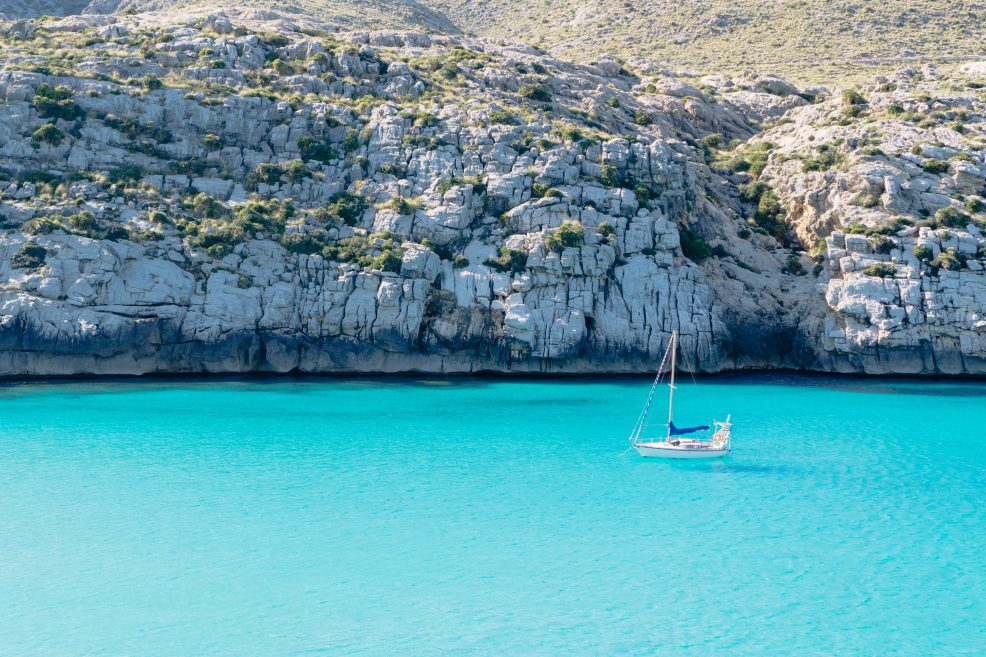
- Snorkelling and kayaking: the sandy seabed and calm waters make Cala Saona an ideal place for snorkelling. From here, you can also explore the cliffs of Punta Rasa by kayak, where there are underwater caves.
- The sunset: Cala Saona is one of the best places in Formentera to watch the sunset. The sun sets right in front of the bay, with views of the islet of Es Vedrà on the horizon. The Bocaboca beach bar, located at the top of the cliff, is the perfect place to watch it with a cocktail.
Services at Cala Saona Beach in Formentera
The cove is well equipped, making it comfortable for spending the whole day there:
- Sunbeds and umbrellas for rent in the central area.
- Free area without sunbeds, especially near the llaüts.
- Showers and adapted access for people with reduced mobility.
- Lifeguard service in high season.
- Bocaboca beach bar, with cocktails and snacks above the cliff.
- Restaurante Sol Post, serving market cuisine inside Hotel Cala Saona.
- Pikala beach bar, with a gourmet offering and signature cocktails.
When to Go to Cala Saona: The Best Time to Avoid Crowds
Cala Saona is one of the most popular beaches in Formentera, and this comes at a price in peak season. These are the tips that make the difference:
- July and August: the beach can be very crowded between 11:00 and 17:00. If you go during these months, arrive before 9:00 or after 17:00. The afternoon also has the added advantage of the sunset.
- June and September: these are the ideal months. The sea is pleasantly warm, there are far fewer crowds and parking is usually not a problem.
- Weekdays vs weekends: Saturdays and Sundays attract more visitors. If you can choose, go between Monday and Thursday.
- With easterly or south-easterly wind: the bay remains fully protected and the sea stays calm. With westerly wind, the water can be rougher.